

Access Management persistence architecture
Database schemas, tables, audit history and blob storage in Access Management.
The persistence architecture shows both the newer EF-based model and legacy schemas still in use. It is based on the EF snapshot and SQL migrations at source commit 20fcb3f.
Select a diagram to open it at full size in a new tab.
Storage overview
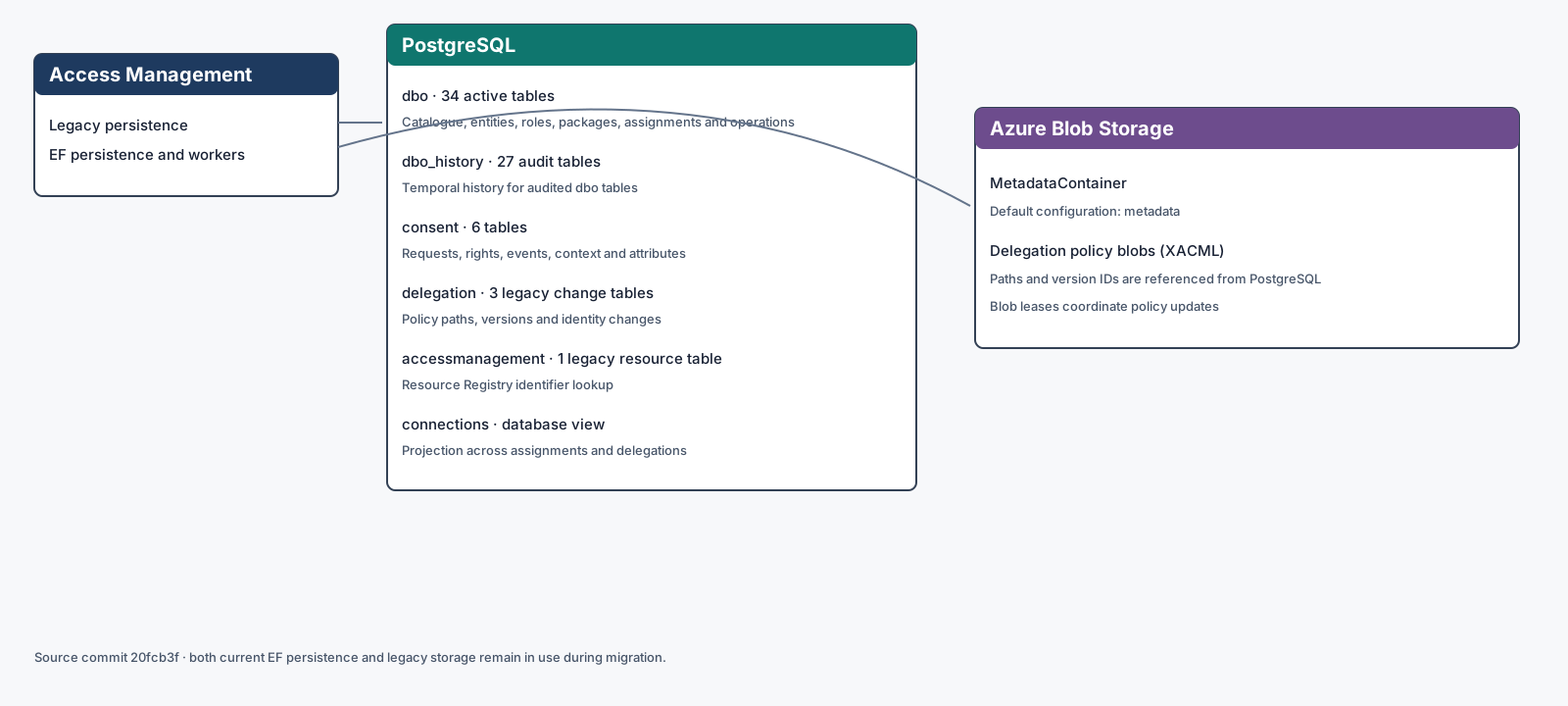
The dbo schema
The dbo schema is split into two diagrams because it contains 34 tables.
Catalogue and metadata
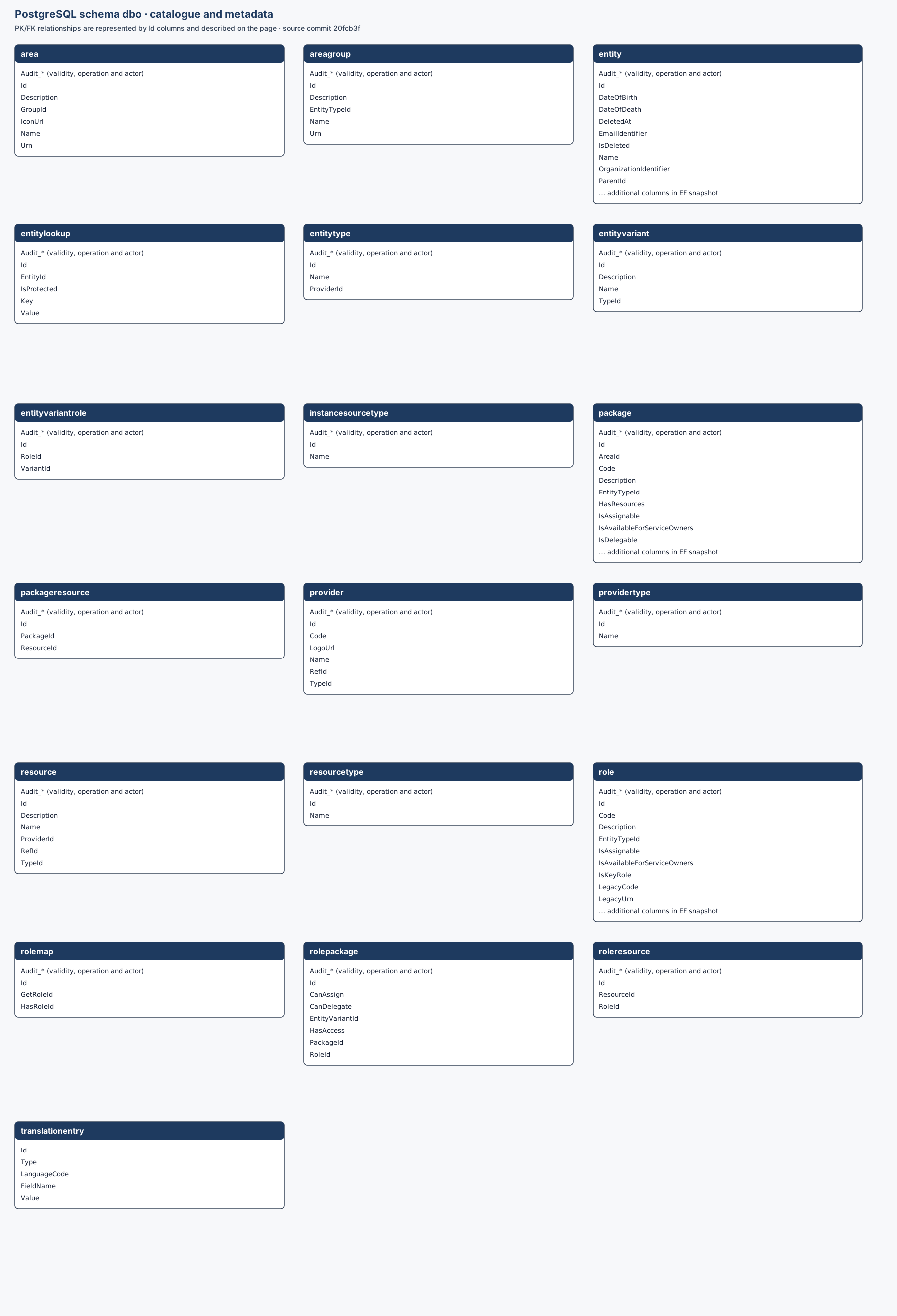
These tables describe entities, providers, resources, roles, areas and access packages. Link tables express which roles grant packages and resources.
Access relations and operations
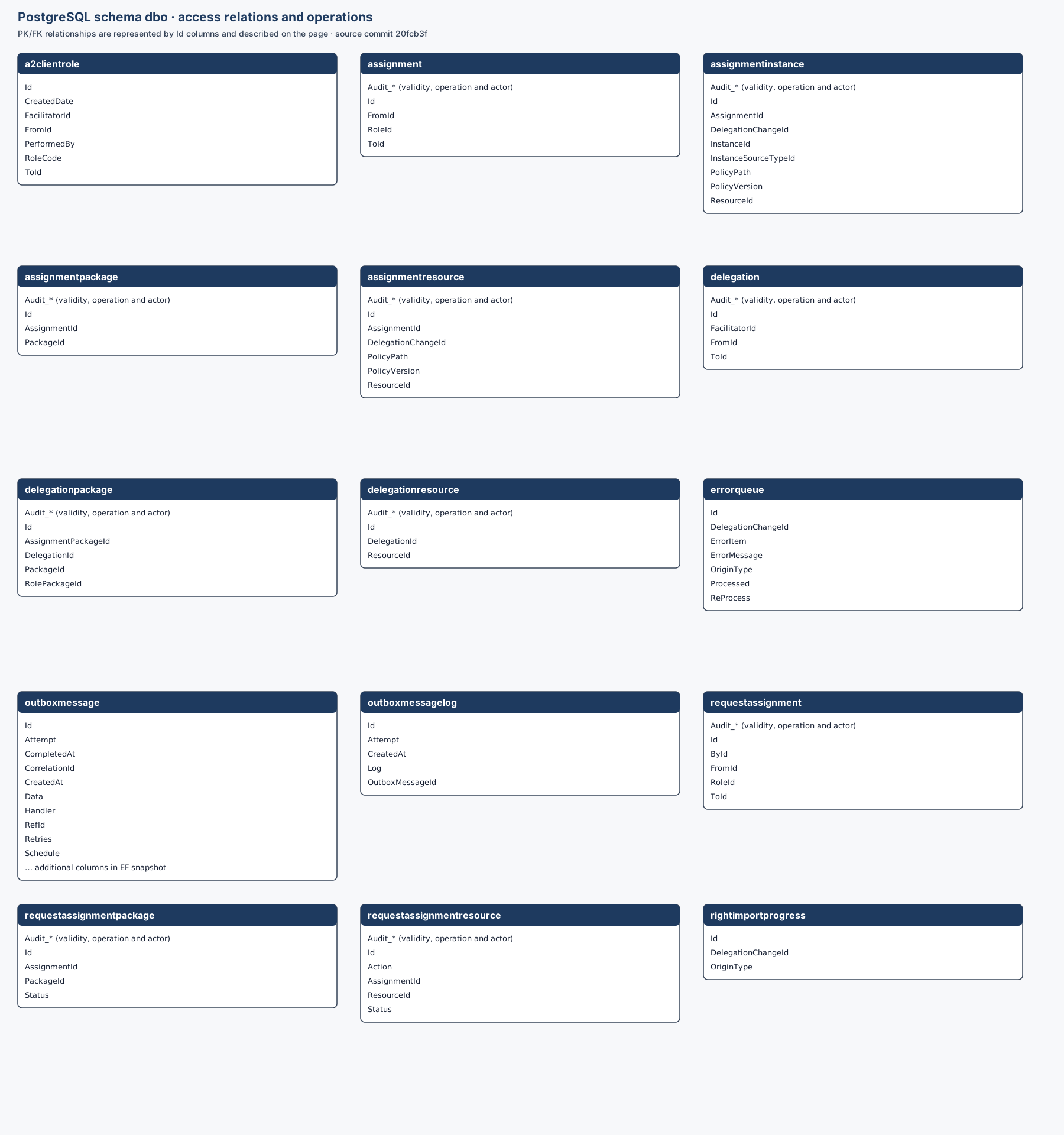
This group contains assignments, delegations, requests, instance and resource links, the outbox, error queue and import progress. The connections view projects relations across assignments and delegations, but is not a table.
The dbo_history schema
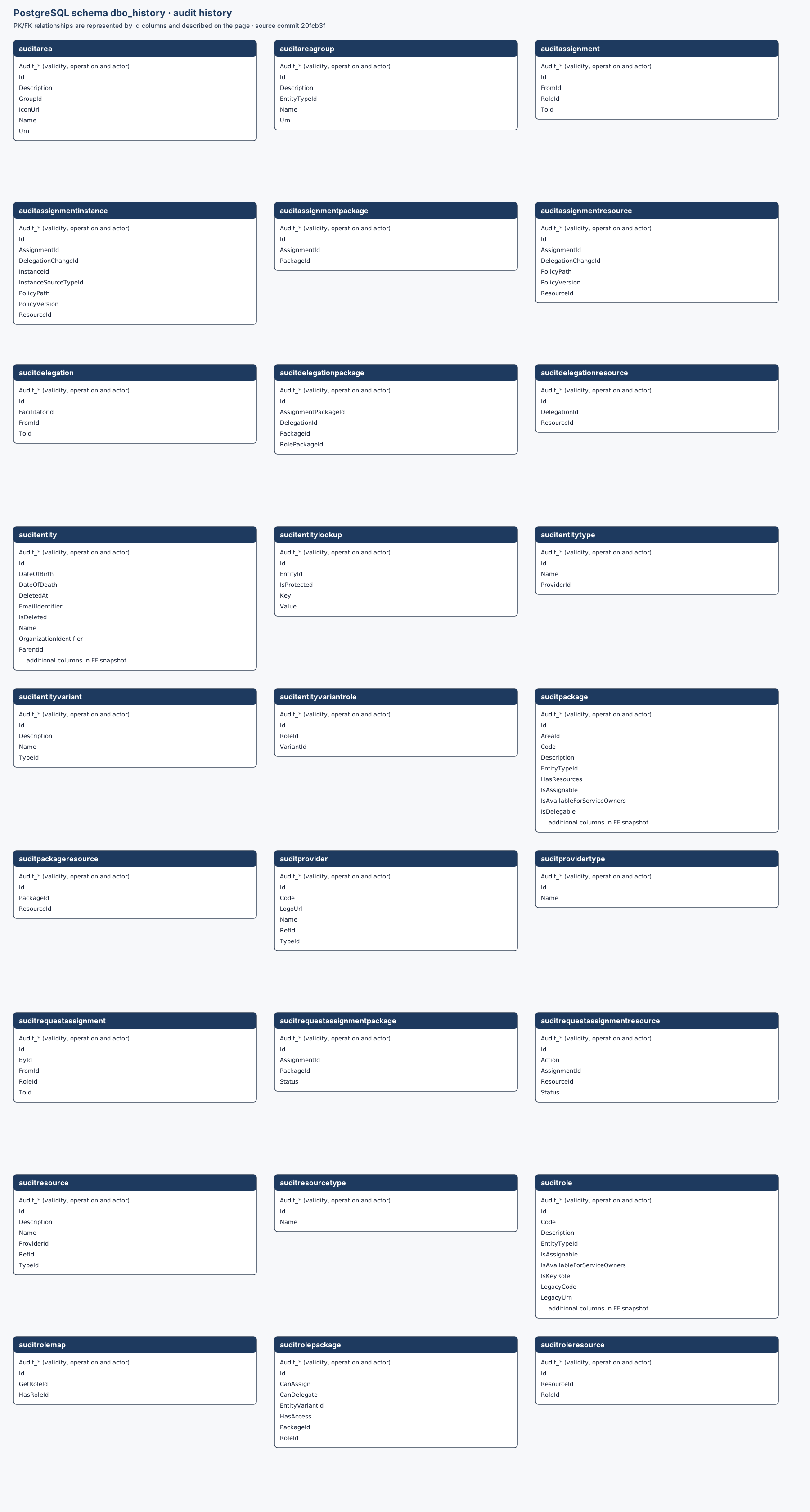
The 27 audit tables store validity, change operation and the actor or system performing the change, together with a copy of the domain fields.
The consent schema
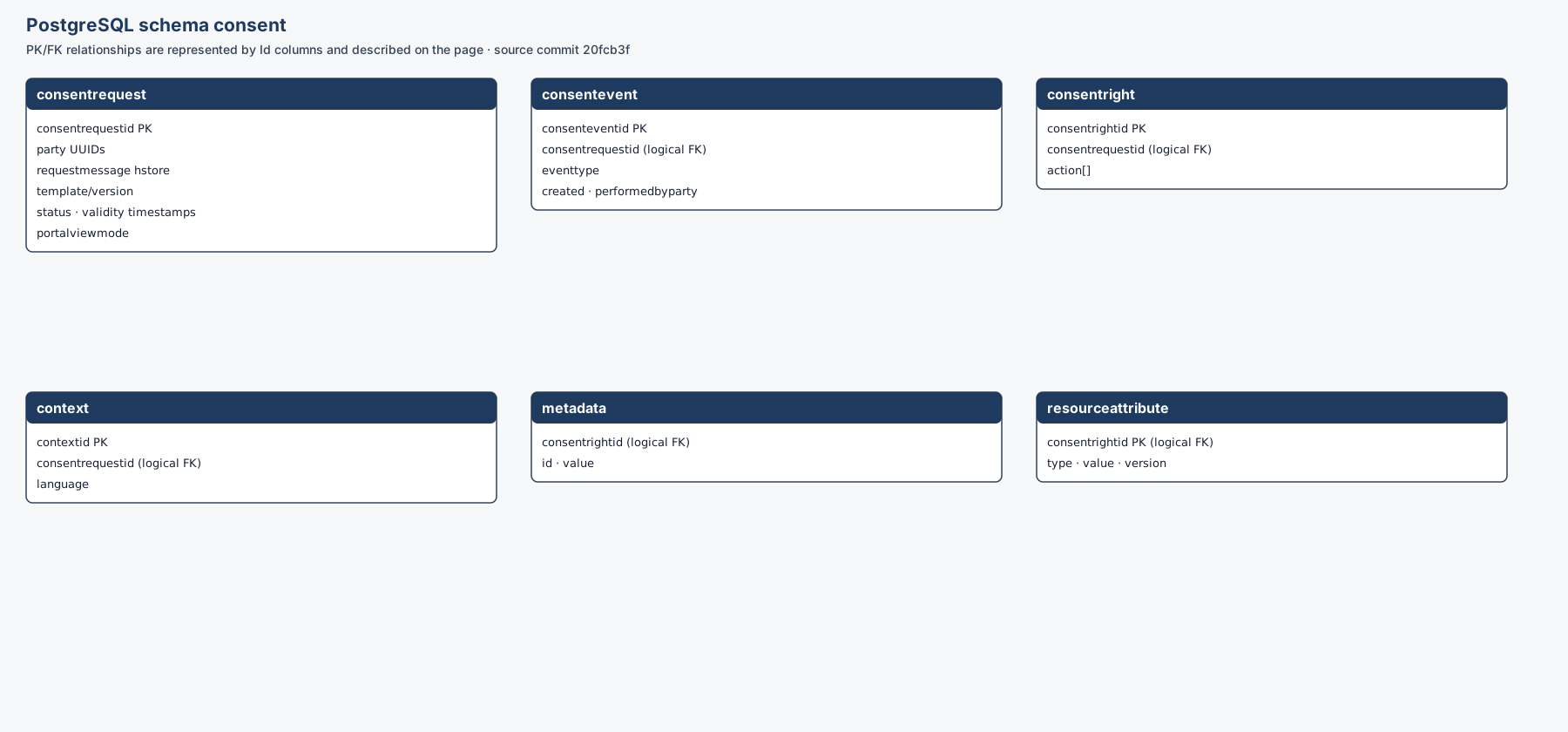
Six tables store consent requests, rights, events, language context, metadata and resource attributes. Several links are enforced in application logic and have no foreign keys in the baseline script.
Legacy schemas
delegation
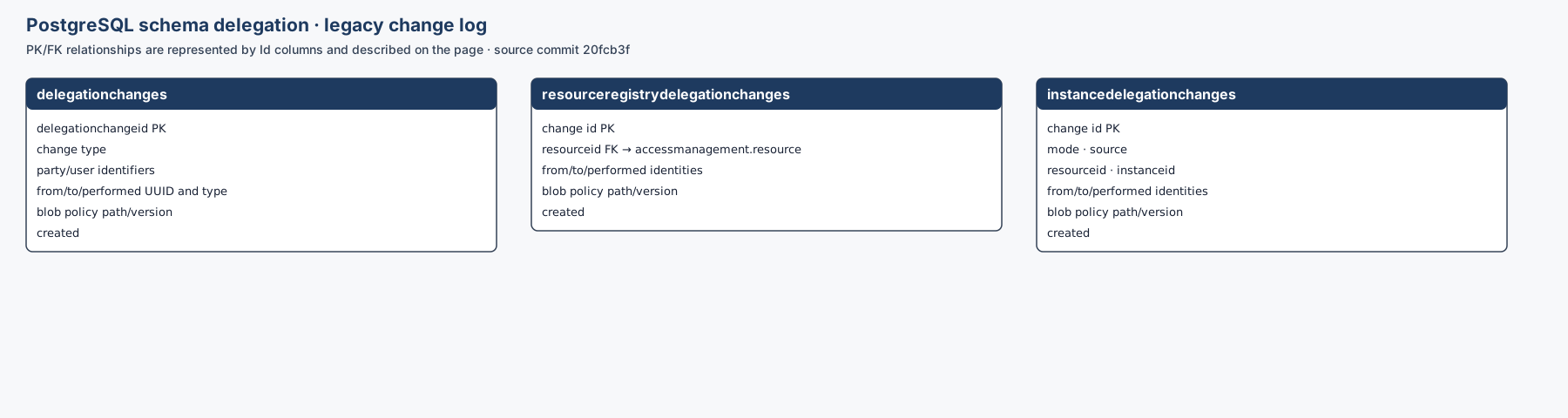
The three change tables refer to policy blob paths and versions and store the identities taking part in a delegation.
accessmanagement
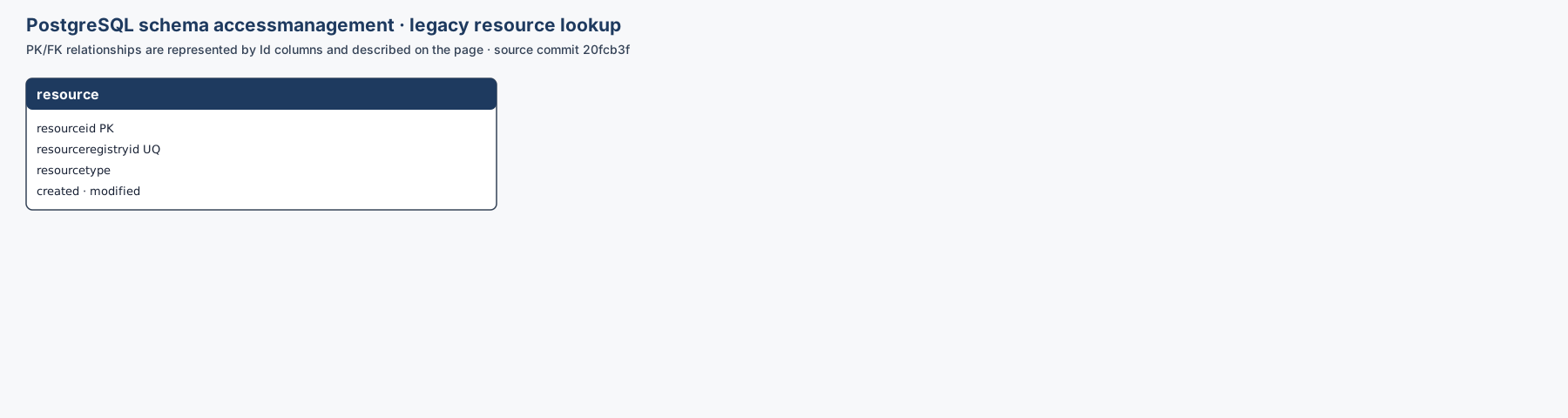
This schema contains the resource lookup referenced by resourceregistrydelegationchanges.
Blob container
MetadataContainer specifies the container for XACML policy blobs. Default configuration uses metadata. PostgreSQL stores the policy path and version ID, whilst blob leases coordinate updates. Account and container names may vary by environment.
Scope and maintenance
The EF diagrams are generated from AppDbContextModelSnapshot and show key columns. Audit fields are grouped as Audit_*. Indexes, checks, triggers, functions and full foreign-key names are omitted for readability. Update the diagrams and source commit when the EF snapshot, SQL migrations or blob configuration change.