

Audit Log persistence architecture
Database schemas, event queues and partition model in Audit Log.
Audit Log stores authentication and authorisation events in PostgreSQL. Azure Storage queues receive events before functions forward them to the Audit Log API. The model is based on source commit c070a2c.
Select a diagram to open it at full size in a new tab.
Storage overview
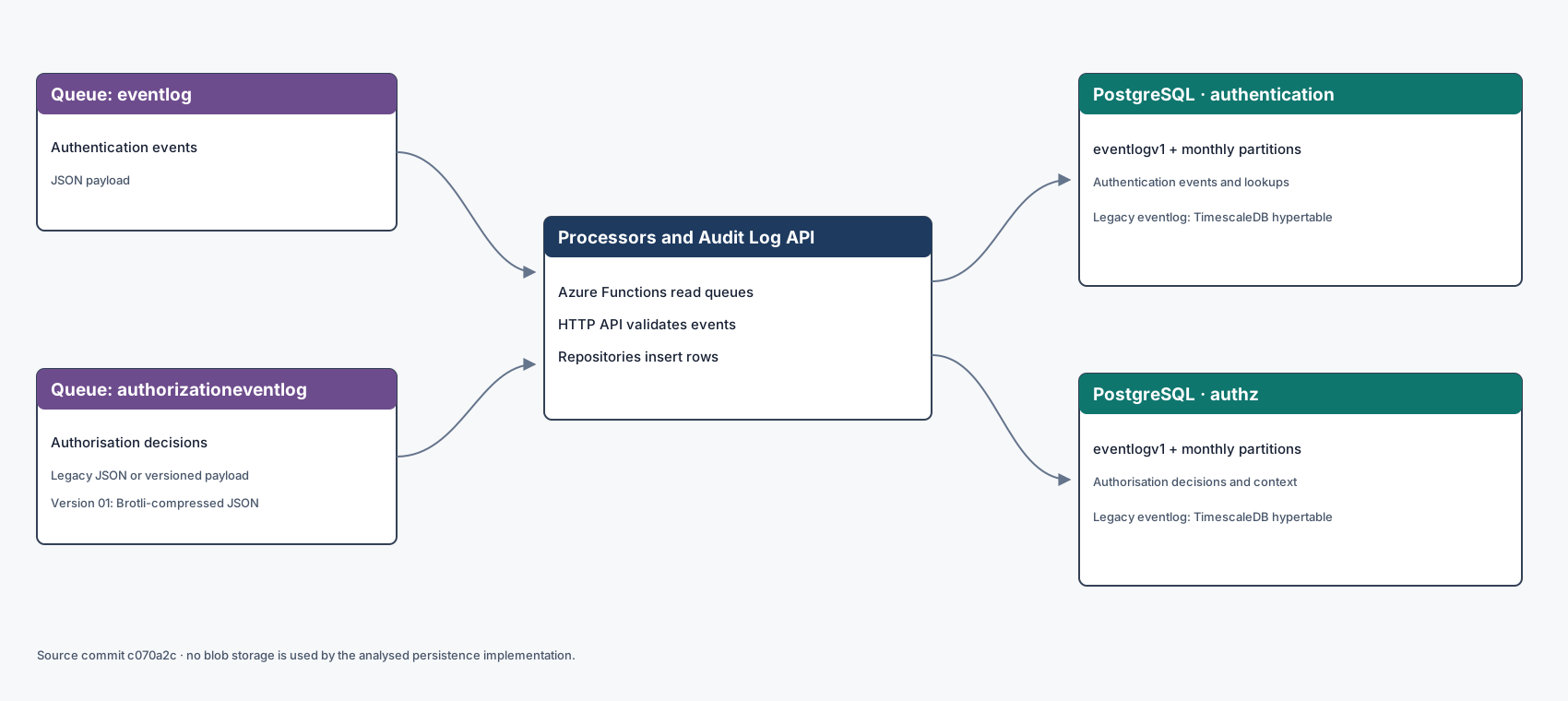
The eventlog queue receives authentication events. The authorizationeventlog queue receives authorisation events in both legacy JSON and a versioned, Brotli-compressed format. Azure Functions read the queues and send events to the API, which writes them to PostgreSQL.
The authentication schema
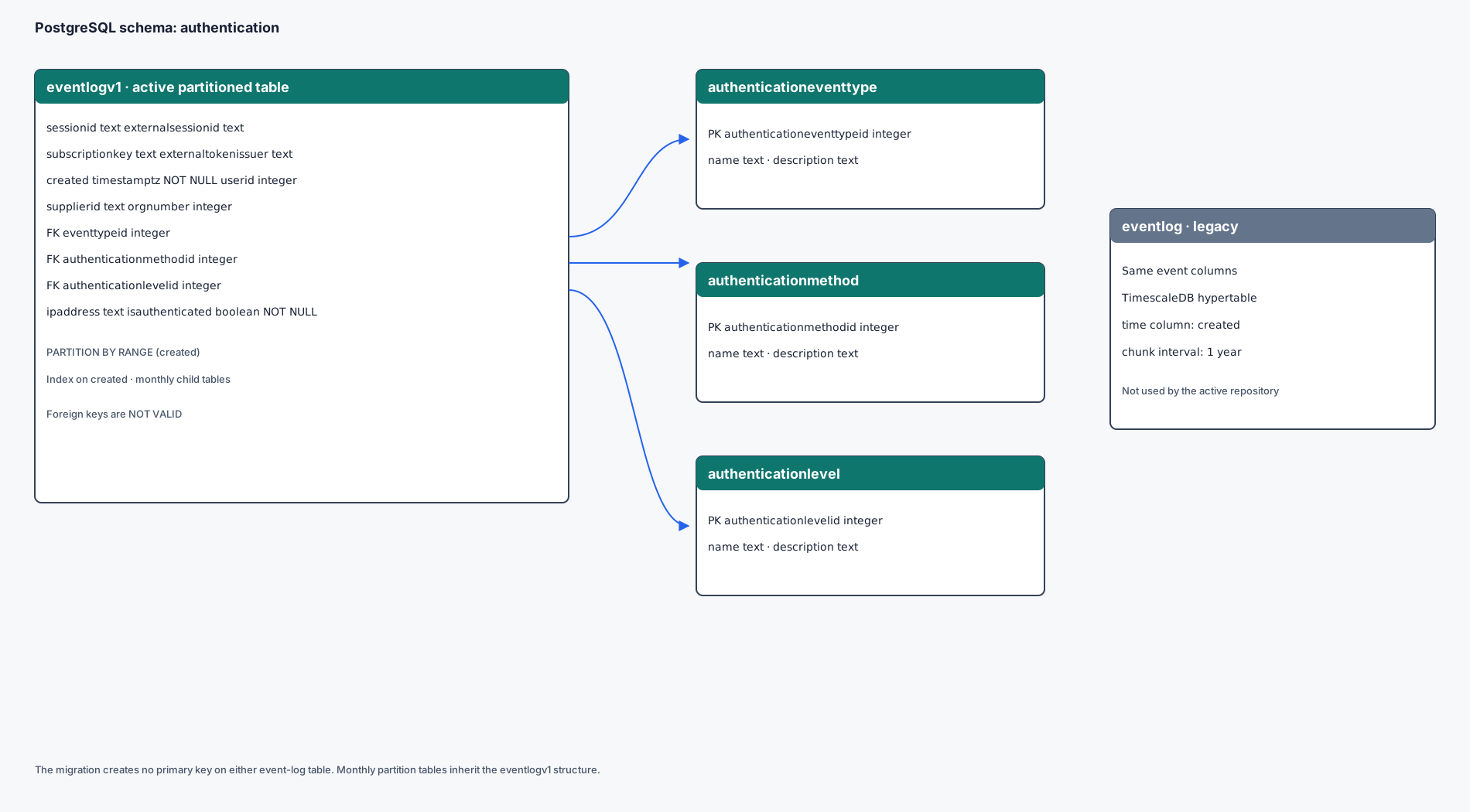
The active eventlogv1 table stores authentication events and is partitioned by created. Three lookup tables describe event type, authentication method and assurance level. The foreign keys are created as NOT VALID: PostgreSQL enforces them for new and changed rows, but the migration did not check existing rows.
The legacy eventlog table has the same fields and is a TimescaleDB hypertable with a one-year interval. It remains in the migrations, but the active repository writes to eventlogv1.
The authz schema
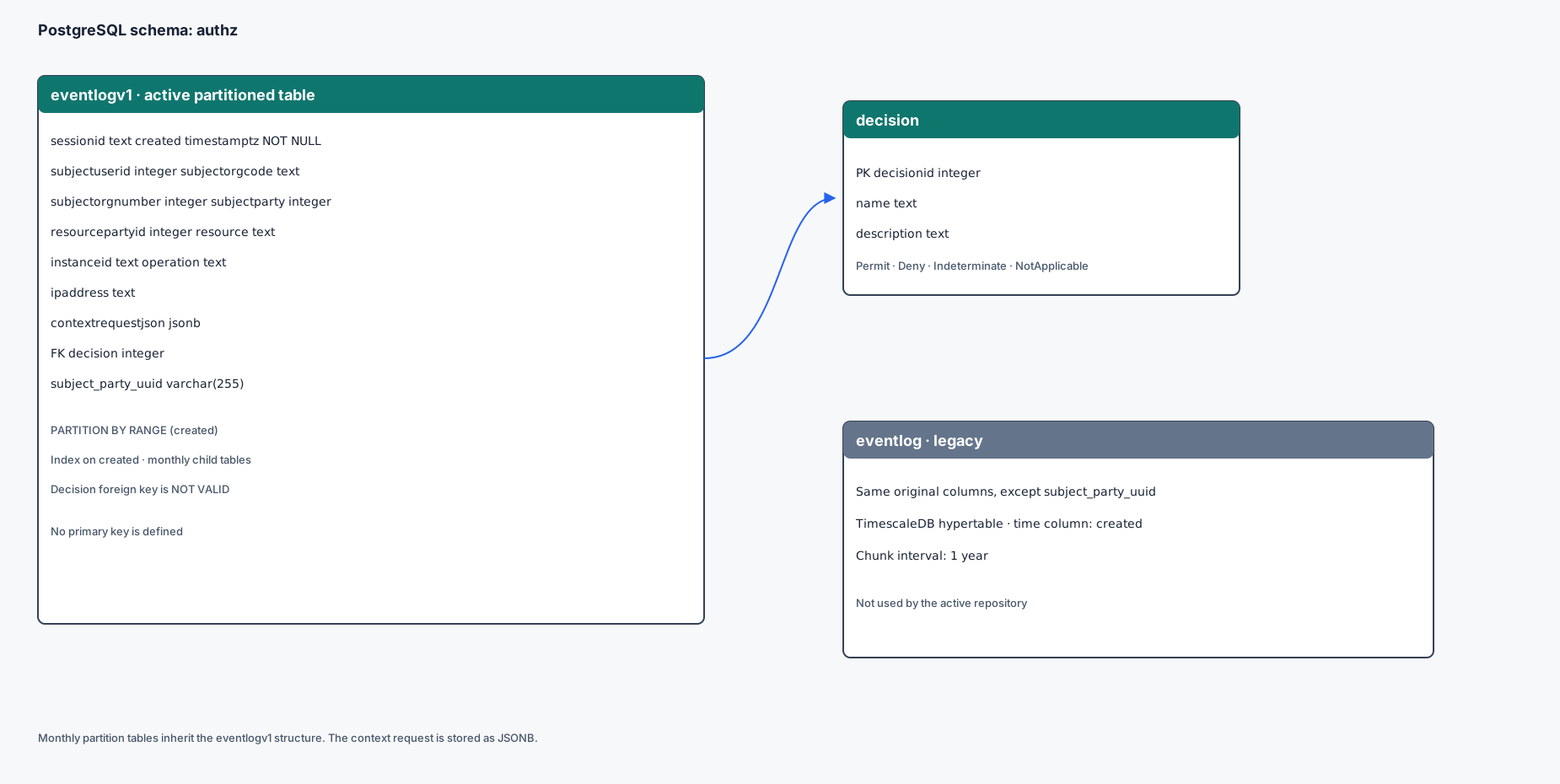
The active eventlogv1 table stores decision context, resource, operation and the PDP decision. decision is a lookup table containing Permit, Deny, Indeterminate and NotApplicable. subject_party_uuid was added after the original table migration.
The legacy eventlog table is a TimescaleDB hypertable and does not contain subject_party_uuid. The active repository writes to eventlogv1.
Monthly partitions and retention
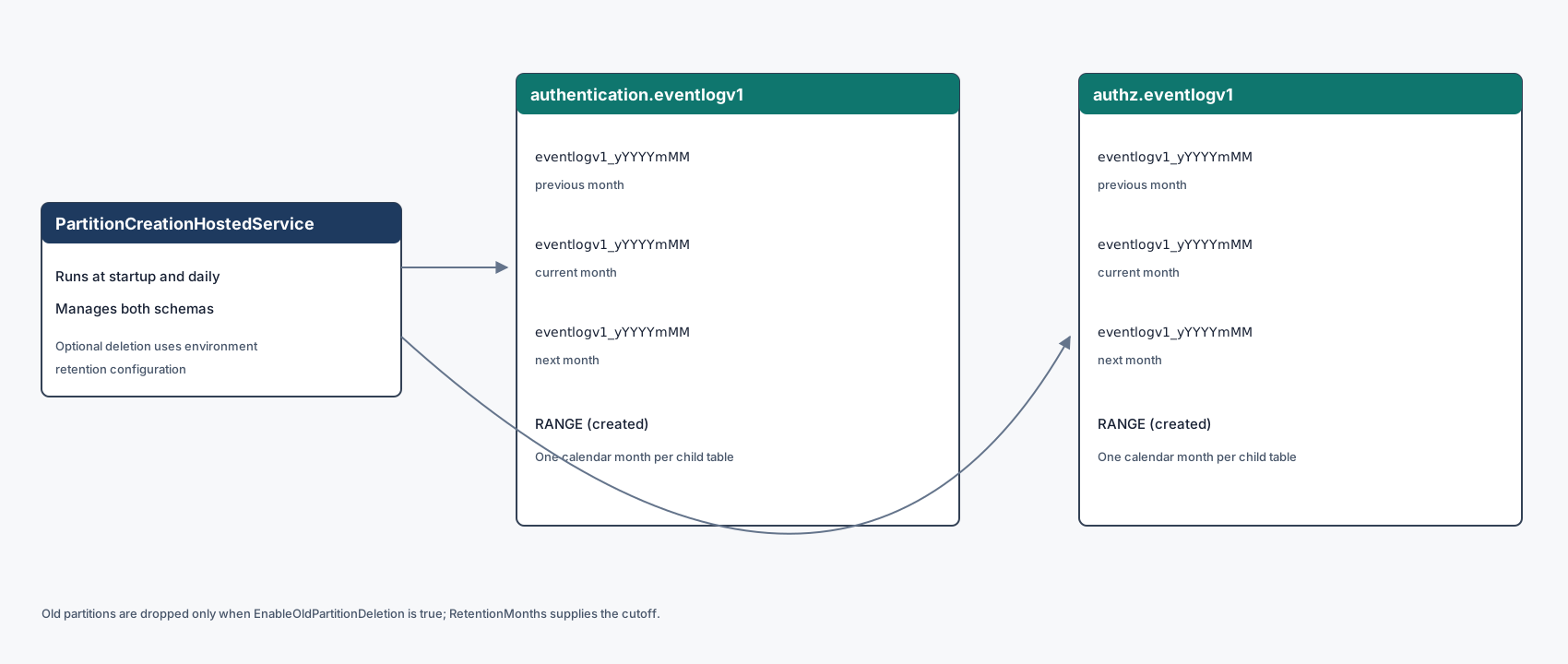
A background service creates partitions for the previous, current and next months in both schemas. Names follow eventlogv1_yYYYYmMM. The service runs at startup and then daily.
Old-partition deletion is controlled per environment by EnableOldPartitionDeletion and RetentionMonths. The default configuration disables deletion. The production configuration specifies 24 months but also disables deletion at the analysed commit. This documents technical configuration, not a legal or business retention policy.
Scope and maintenance
The diagrams show tables, key relations, queues and partitions. Grants, complete lookup values and TimescaleDB internal tables are omitted. The analysed persistence implementation contains no blob containers.